A Comprehensive Guide to Panic Bars (Crash Bars)
Published: July 26, 2026·By the DoorSecurityGroup Installation & Review Team
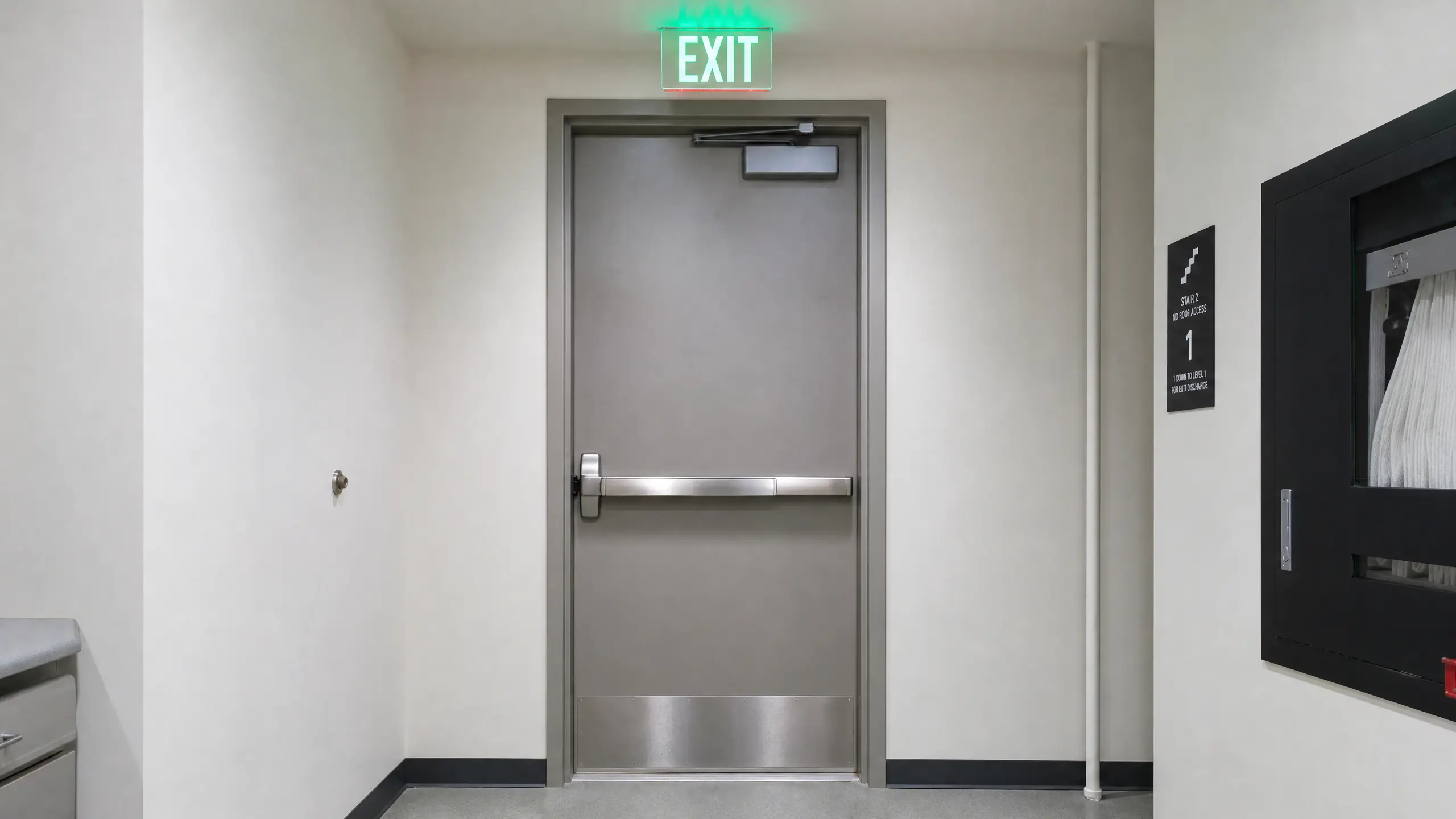
A Comprehensive Guide to Panic Bars
Panic bars, or crash bars, are essential life-safety devices designed to allow fast, unhindered egress from a building during an emergency. They are required by building and fire codes for commercial spaces with high occupancy.
The Purpose of a Panic Bar
In an emergency, such as a fire, panic can ensue. If doors require turning a knob or finding a key, people can be crushed against the door, unable to escape. A panic bar solves this by unlatching the door when any pressure is applied to the horizontal bar, allowing the door to swing outward.
Compliance and Codes
Safety codes are paramount when installing panic hardware.
- Actionable Advice: Always consult your local Authority Having Jurisdiction (AHJ) or local fire marshal before installing or modifying panic hardware. Requirements vary based on the building's occupancy type and occupant load.
Key Rules
- Doors with panic hardware must always swing in the direction of egress (outward).
- The actuating portion of the bar must extend across at least half the width of the door.
- The unlatching force must not exceed code limits (typically 15 pounds of pressure).
Types of Panic Hardware
- Rim Panic Devices: The most common type, mounted on the surface of the door, latching onto a strike on the frame.
- Mortise Panic Devices: The latching mechanism is built into the door (mortised), offering higher security and a cleaner look.
- Vertical Rod Devices: Used on double doors, these latch at the top and bottom of the frame rather than the side.
Security Integration
While designed for exit, panic bars must also secure the building from the outside.
- Actionable Advice: Use electrified panic hardware if you need to integrate the door with an access control system (like card readers). This allows authorized entry while always ensuring free egress.
Maintenance
- Actionable Advice: Test panic hardware regularly (at least monthly). Ensure the bar operates smoothly, the latches retract fully, and the door closes and secures properly behind you.
Conclusion
Panic bars are non-negotiable for commercial safety. Proper selection, compliant installation, and regular maintenance are critical to ensure they perform their life-saving function when needed most.
Related Security Guides
What Our AI Security Assessment Actually Checks
A transparent look at what our free AI Security Assessment analyzes, how it generates recommendations, and its limitations compared to an in-person audit.
Case Study: Diagnosing a String of Failed Door Operator Inspections at a Brooklyn Shelter
A Brooklyn supportive housing project kept failing city inspection on its automatic door operators even after two rounds of brand-new replacement parts. Here's what was actually wrong, and how we found it.
Best Driveway & Perimeter Alarms of 2026
The best driveway and perimeter motion alarms of 2026 — early-warning systems that alert you before someone reaches your door.