Camera Placement Guide for NYC Brownstones & Multi-Unit Buildings
Published: September 18, 2026·By the DoorSecurityGroup Installation & Review Team
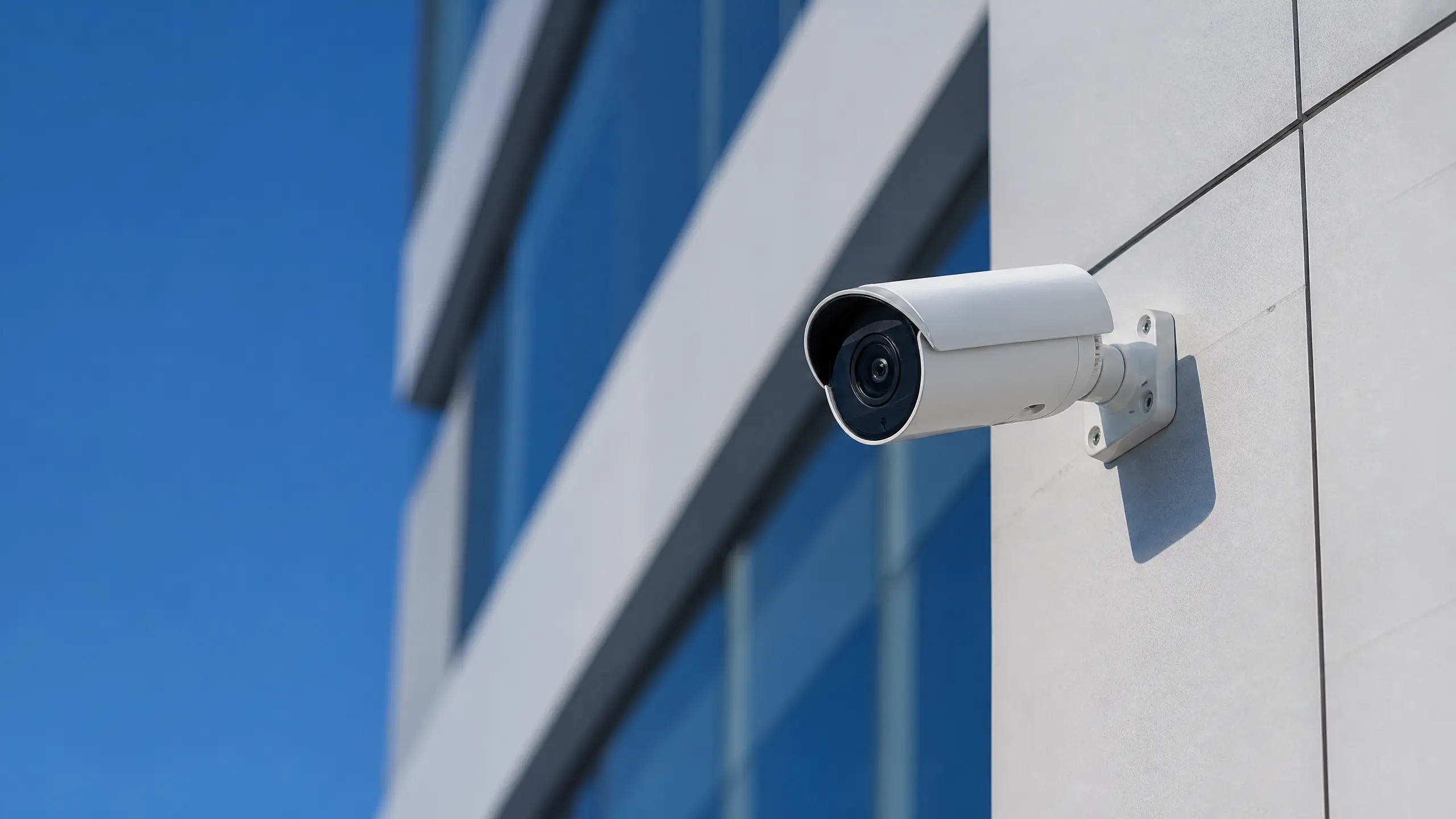
For a brownstone or small multi-unit building, prioritize three zones in this order: the primary entry door, the areaway/basement entrance (a common break-in point most owners overlook), and the rear or side yard access. A camera aimed at the front door alone leaves the most common secondary entry points in older NYC buildings completely unmonitored.
The Three Zones That Matter Most
1. Primary Entry Door
Mount at 8–9 feet high with a slight downward angle to capture a visitor's face without an unusable fisheye distortion. Avoid mounting directly above the door where a hood or overhang creates a blind spot for anyone standing close.
2. Areaway and Basement Entrances
Classic NYC brownstones almost always have a below-grade areaway entrance that's visually separated from the main stoop — and it's a significantly more common point of forced entry than the highly visible front door, precisely because it's less visible from the street. This is the single most overlooked camera placement on brownstone-style buildings.
3. Rear and Side Yard Access
Any door or gate accessible from a rear yard, alley, or shared side passage needs its own coverage — these are typically unlit and unobserved by neighbors or passersby compared to the street-facing front.
Multi-Unit Building Considerations
For a building with multiple units, add:
- Lobby/vestibule coverage — capturing anyone who enters before reaching individual unit doors, useful for both security and delivery/package documentation.
- Basement and roof access points — often overlooked, but a common route for illegitimate entry into a multi-unit building.
- Shared laundry or storage areas — lower priority than entry points but worth covering if theft has been an issue.
Privacy Lines You Shouldn't Cross
- Never aim a camera through a window into a neighboring building or unit.
- In a multi-unit building, cameras should not be aimed to capture what happens inside another tenant's unit, even incidentally through a window.
- Post visible signage where required by local law when recording common areas — check current NYC and New York State requirements, which can change.
Technical Considerations for Older Buildings
- Masonry mounting: Brownstone facades often require masonry bits and anchors rather than standard drywall mounts — factor this into installation time.
- Power access: Areaway and basement entrances frequently lack nearby outlets; battery or solar-powered cameras (see our best outdoor wireless cameras guide) are often the practical choice over hardwired options in these zones.
- Wi-Fi range: Basement and areaway locations are often at the edge of in-home Wi-Fi range — a mesh extender or a cellular-backup camera may be worth the extra cost for reliable coverage.
Getting Started
For apartment-specific camera recommendations, see our best security cameras for apartments guide. For a full building camera plan, request a quote or contact our team — our nationwide partner network installs multi-camera systems on brownstones and multi-unit buildings regularly.
Related Security Guides
What Our AI Security Assessment Actually Checks
A transparent look at what our free AI Security Assessment analyzes, how it generates recommendations, and its limitations compared to an in-person audit.
Case Study: Diagnosing a String of Failed Door Operator Inspections at a Brooklyn Shelter
A Brooklyn supportive housing project kept failing city inspection on its automatic door operators even after two rounds of brand-new replacement parts. Here's what was actually wrong, and how we found it.
Best Driveway & Perimeter Alarms of 2026
The best driveway and perimeter motion alarms of 2026 — early-warning systems that alert you before someone reaches your door.