Security Guidance for Co-op & Condo Boards
How co-op and condo boards evaluate lock upgrades, access control, and building-wide security decisions without violating fire code or the certificate of occupancy.
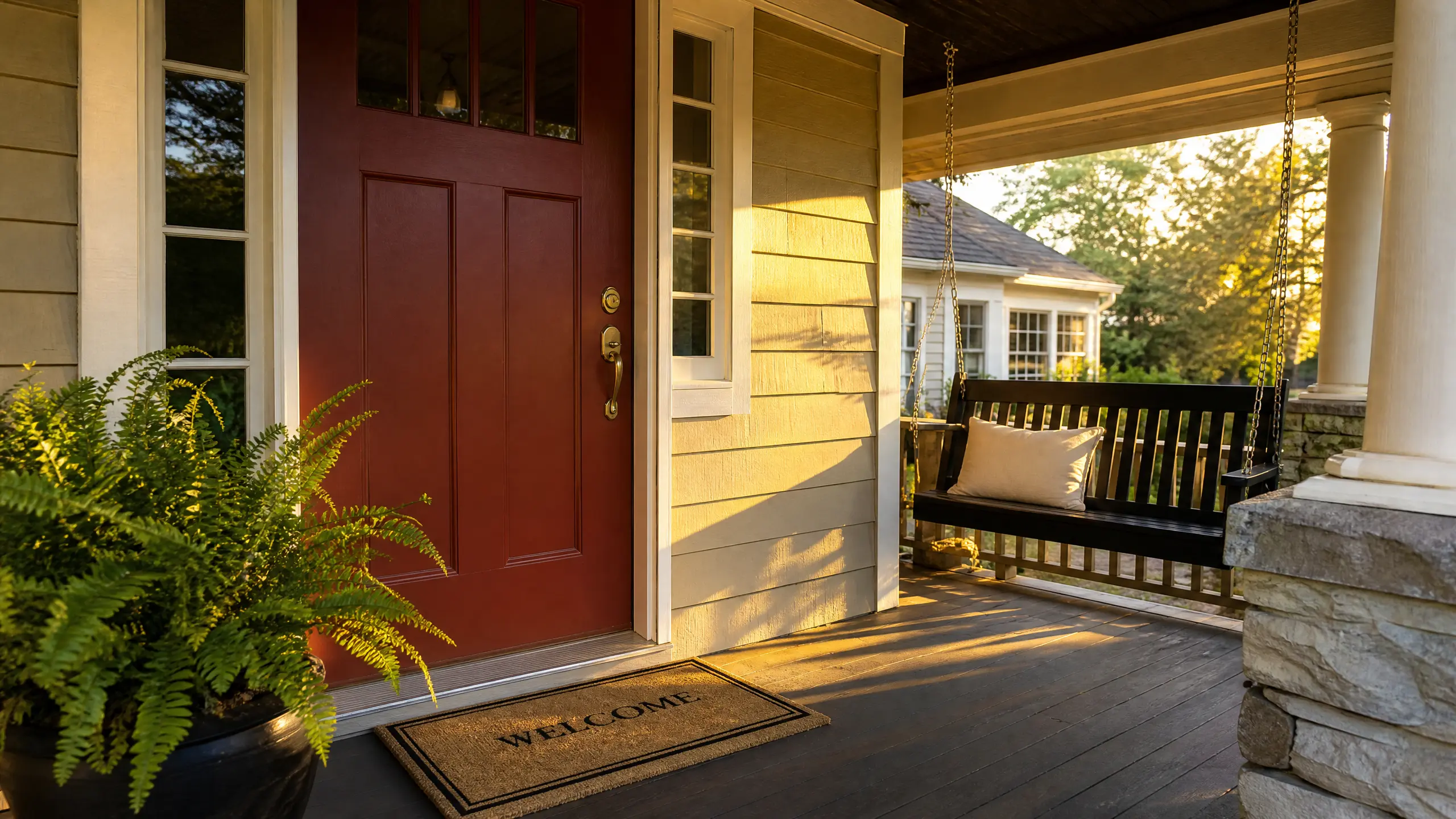
Serving on a co-op or condo board means every security decision is really two decisions at once: is this good for the shareholders and residents, and does it hold up if the Department of Buildings, FDNY, or your managing agent's insurance carrier ever asks about it. Individual homeowners can upgrade a lock on impulse. Boards can't — and that caution is usually well-founded, even when it's frustrating to the resident who just wants a smart lock installed this weekend.
What Boards Are Actually Responsible For
Two layers of obligation sit on top of each other in most NYC co-ops and condos. Individual units are subject to the same baseline apartment door lock requirements as any rental (a working key lock, a heavy-duty deadbolt, and a chain guard, under NYC Housing Maintenance Code §27-2043) — we cover this in detail in our NYC Apartment Security Guide. Separately, the building itself has entrance, intercom, and (for larger buildings) fire and egress obligations that belong to the board and managing agent, not to individual shareholders or unit owners.
Where boards run into trouble is in the space between those two layers: a resident wants to install a smart lock or a video doorbell, and nobody on the board is quite sure whether that request is a simple maintenance matter or a change that needs board review.
The Two Questions Every Hardware Request Should Answer
Before approving (or reflexively denying) a resident's request to change their unit's door hardware, two questions determine the answer:
- Is the unit's entrance door a rated fire door assembly? If so, every component — lock, closer, hinges — has to be listed for use on that specific rated assembly, or the whole door loses its certification. Swapping in an unrated smart lock cylinder can silently decertify a door that was compliant the day before. Our fire doors guide explains what makes an assembly "rated" and why substituting one component can compromise the whole thing.
- Does the change preserve the required means of egress? Any change has to keep the door operable from the inside without a key, code, or app in an emergency, and shouldn't interfere with the hallway-side key access that emergency responders and building staff may need.
If both answers are satisfactory, most smart lock retrofits are straightforward to approve. If you're not sure, that's a five-minute conversation with a security professional, not a reason to default to "no" indefinitely.
Standardizing Instead of Deciding Case by Case
Rather than adjudicating every resident's individual hardware request, many boards find it far simpler to pre-approve a small list of smart lock models that are known to preserve fire door compliance and existing keyway compatibility, and publish that list to residents. This turns a recurring board headache into a one-time decision. We help boards put this list together as part of our smart lock solutions work.
Building-Wide Access Control: Fobs, Intercoms, and Vestibules
Most of the actual security value in a co-op or condo lives at the building level, not the unit level — the front vestibule, the service entrance, the garage, and the roof. A properly engineered access control system lets the board manage fob or mobile credentials centrally (instantly revoking a departed super's or vendor's access, for instance), while a master key system gives building staff exactly the access their role requires and no more — a porter's key opens common areas, not resident units.
If your building is considering adding or upgrading electronic locks on entrance doors, stairwells, or the parking garage, those installations are subject to NYC's fire and egress code requirements for locking hardware — covered in full in our NYC Fire Code & Access Control Compliance Guide. This is exactly the kind of decision worth involving a security professional in before, not after, a contractor starts drilling.
What Fire Code Compliance Actually Costs a Board
The most expensive access control mistake we see boards make isn't picking the wrong vendor — it's discovering during a violation or an insurance review that hardware installed years earlier by a low-voltage contractor was never coordinated with the building's fire safety plan. A pre-installation compliance review is inexpensive compared to retrofitting a non-compliant system after the fact, and it gives the board something concrete to point to if a resident, inspector, or insurer ever asks.
Getting the Board Aligned Before You Vote
For upgrades that need board or shareholder approval, having a clear, professionally documented plan — what's being installed, why it's code-compliant, and what it costs — makes the vote itself far less contentious than an open-ended discussion. Contact our team to put together that plan, or request a quote for a specific building-wide upgrade you're already considering.
Related Security Reviews
Best Apple HomeKit Smart Locks (2026 Guide)
Our 2026 guide to the best Apple HomeKit smart locks, featuring Apple Home Key integration, Thread and Matter support, and Siri compatibility.
Best Doorbell Cameras (2026 Guide)
Our Manhattan security team's rankings of the best doorbell cameras, comparing the Google Nest Doorbell, Ring Video Doorbell Pro 2, and Wyze Video Doorbell v2.
Best Fingerprint Door Locks (2026 Guide)
Our Manhattan security team tests and ranks the best fingerprint door locks for 2026. Compare biometric performance, pricing, and installation notes before you buy.
Get a Professional Security Assessment
Based in Manhattan, our security experts serve homeowners and businesses nationwide. Use our free AI tool to pinpoint your exact vulnerabilities.